On the morning of June 24, 2026, the signing ceremony of agreement renewal between Tianjin Medical University Cancer Institute and Hospital (TMUCIH) and King’s College London (KCL) was successfully held at the TMUCIH’ s Science and Research Innovation Center.
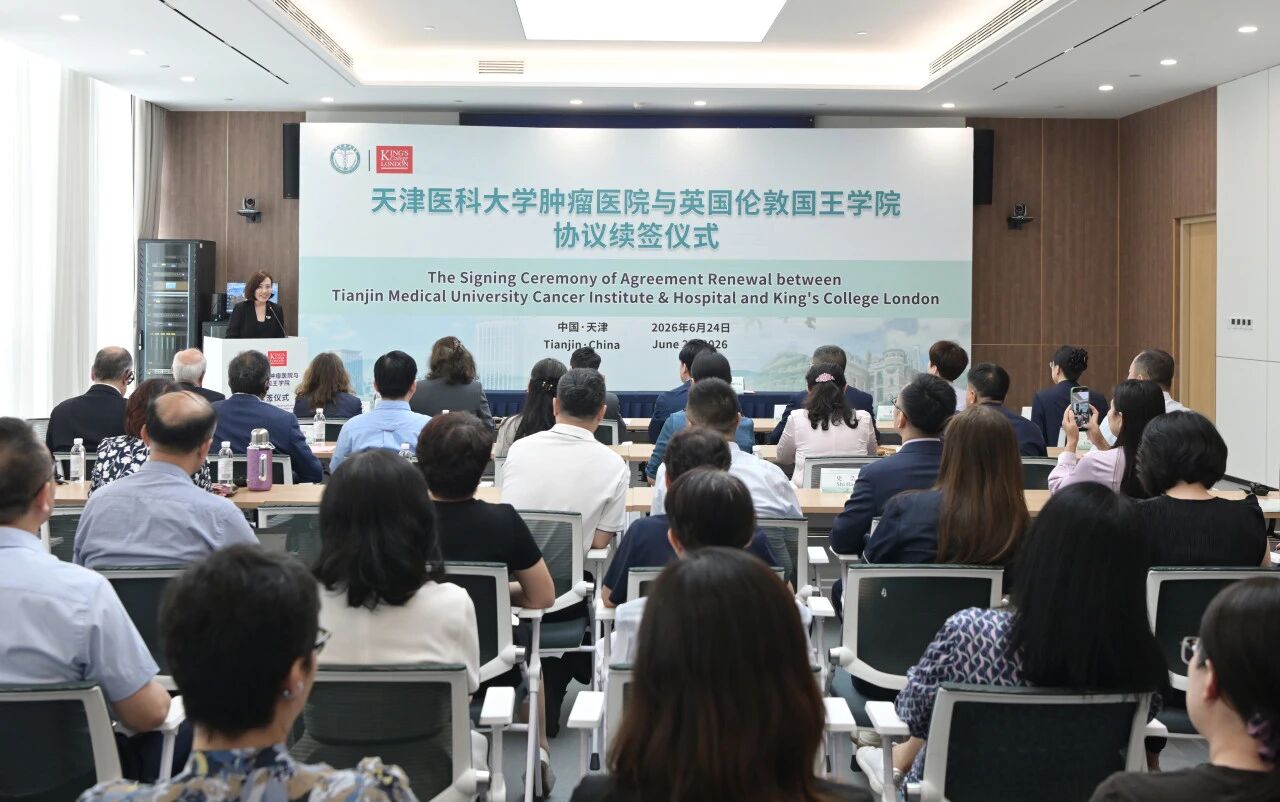
The ceremony was attended by distinguished guests including Mr. Rahul Agarwal, Counsellor for Healthcare & Life Sciences at the Department for Business and Trade of the British Embassy Beijing; Prof. Claire Wells, Associate Dean for Doctoral Studies in the Faculty of Life Sciences & Medicine at King‘s College London; Prof. Elinor Sawyer, Professor of Clinical Oncology and Breast Cancer Genetics at KCL; Prof. Farzin Farzaneh, Professor of Molecular Medicine at KCL; Prof. Shahram Kordasti, Research Lead for the School of Cancer and Pharmaceutical Sciences at KCL; and Prof. Reuben Benjamin, Clinical Senior Lecturer at KCL.
Also present were Mr. Zhao Jianling, Deputy Director of the Foreign Affairs Office of Tianjin Municipal People’s Government; Prof. Hao Jihui, President of Tianjin Medical University and Tianjin Medical University Cancer Institute & Hospital; Ms. Liang Chunzao, Deputy Secretary of the Hexi District Committee of Tianjin; Prof. Ai Ding, Vice President of Tianjin Medical University; along with officials from the Foreign Affairs Office of Tianjin Municipal People‘s Government, the Health Commission of Hexi District, Tianjin Medical University, and TMUCIH. The ceremony was presided over by Prof. Li Hui, Vice President of Tianjin Medical University Cancer Institute and Hospital.
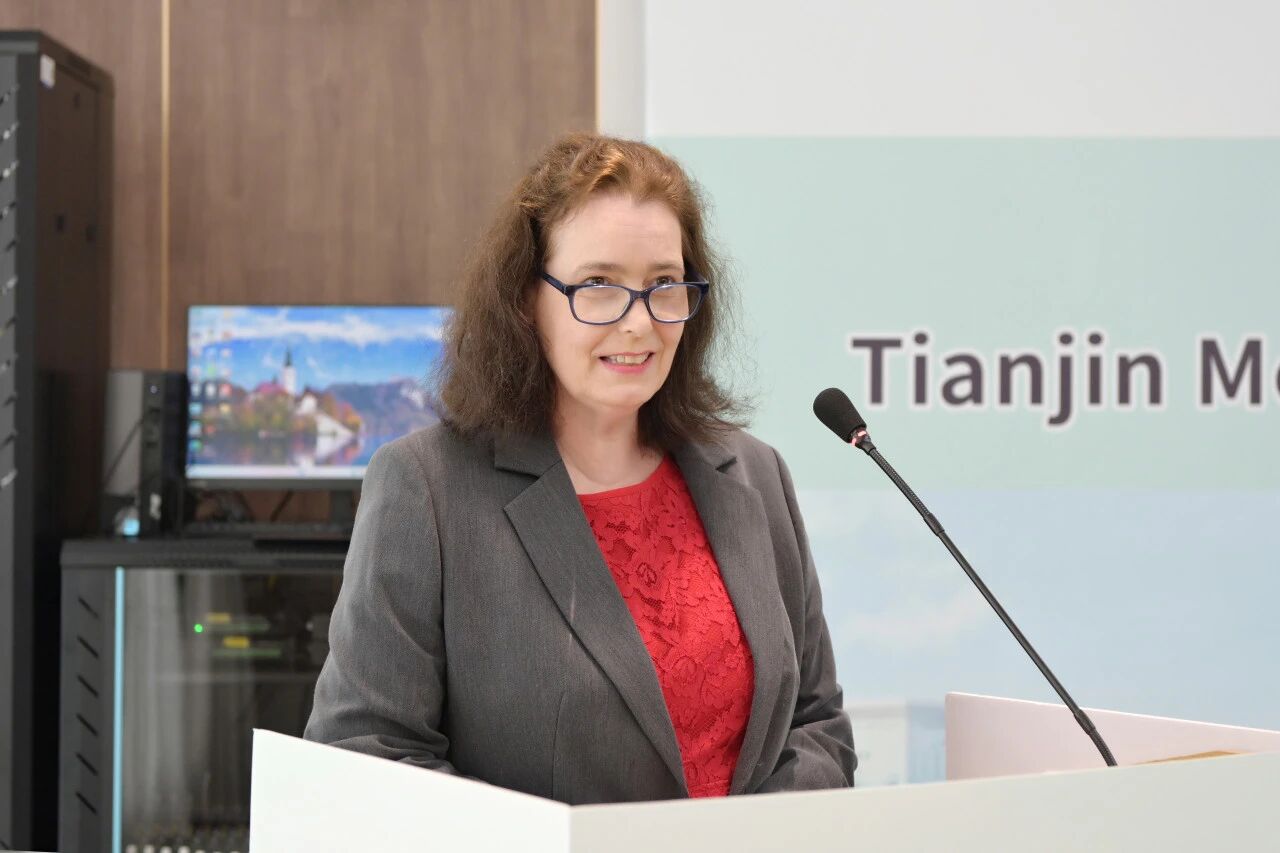
Prof. Claire Wells, Associate Dean for Doctoral Studies within the Faculty of Life Sciences & Medicine at KCL, delivered an address. She stated that it was an honour to witness the renewal of the cooperation agreement between TMUCIH and KCL, marking a milestone for deepening friendship and pursuing shared development. Since the signing of the Memorandum of Understanding in 2019, the two sides have achieved fruitful outcomes in academic exchanges, talent training and scientific research collaboration. This renewal will build a broader platform for both sides. KCL looks forward to working with TMUCIH to jointly tackle global cancer challenges, inject new impetus into China-UK healthcare cooperation and benefit more patients.
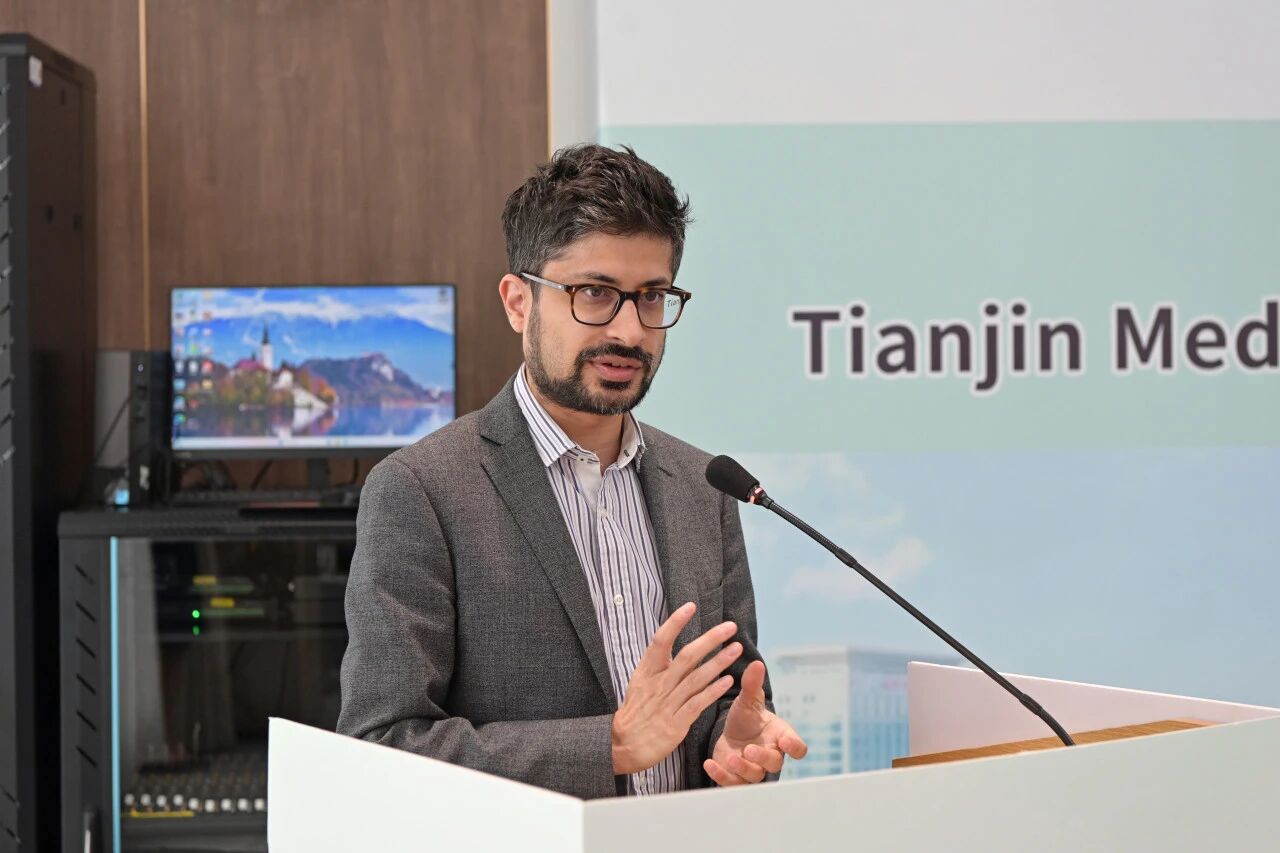
Mr. Rahul Agarwal, Counsellor for Healthcare & Life Sciences, Department for Business and Trade of British Embassy Beijing, gave a speech. He noted that the TMUCIH‑KCL partnership exemplifies enduring international cooperation in healthcare and life sciences, reflecting the shared commitment of China and the UK to advancing cancer research, clinical practice, and medical education. He congratulated both sides on the agreement renewal, reaffirmed the UK Government' s strong support for such collaborations, and expressed confidence that the partnership will continue to grow and yield meaningful results.
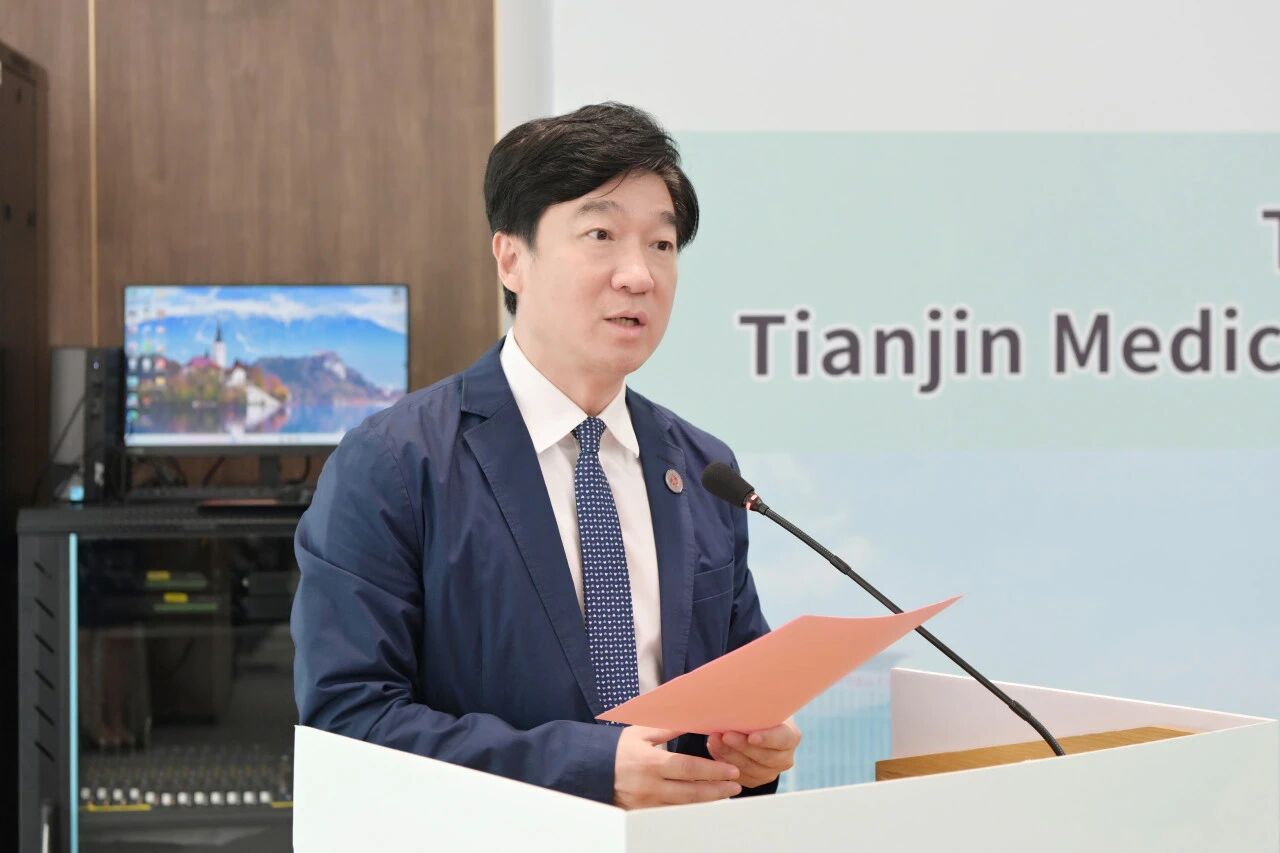
Prof. Hao Jihui, President of Tianjin Medical University and Tianjin Medical University Cancer Institute & Hospital, gave an address and he noted that the partnership has delivered tangible results in personnel exchanges, academic visits, and joint conferences. During his November 2025 visit to KCL, he held extensive discussions with leaders and experts on research, education, and talent development. The agreement renewal opens a new chapter of cooperation, and is expected to further strengthen joint research, foster greater consensus, and inject new momentum into the long‑term partnership.
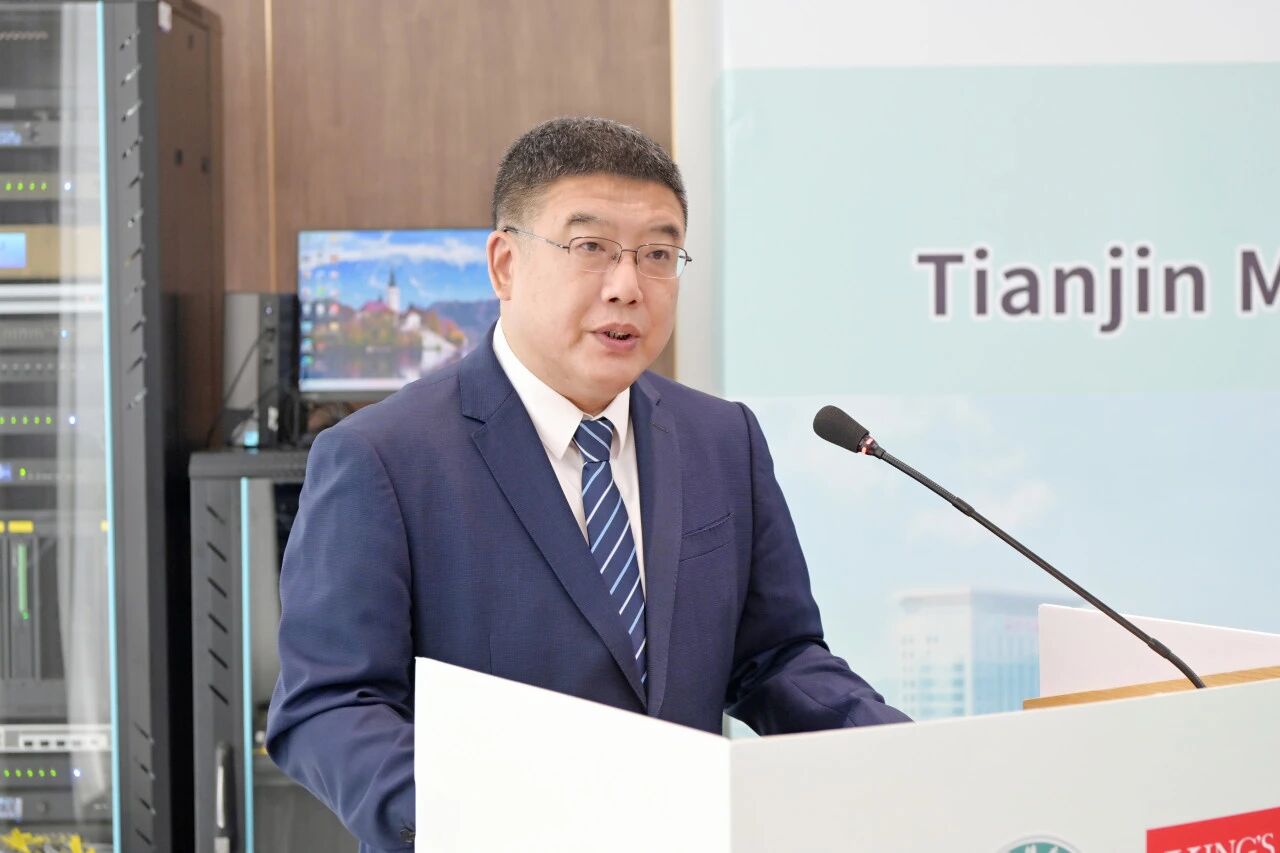
Zhao Jianling, Deputy Director of Foreign Affairs Office of Tianjin Municipal People's Government, stressed that as China‑UK relations continue to deepen, cooperation in life sciences and healthcare is becoming increasingly significant and promising. The enduring partnership between TMUCIH and KCL is a clear example of strengthened bilateral collaboration in medical education and health. He expressed his hope that the renewed agreement will open a new chapter in improving public health and driving scientific and technological progress in the medical field.
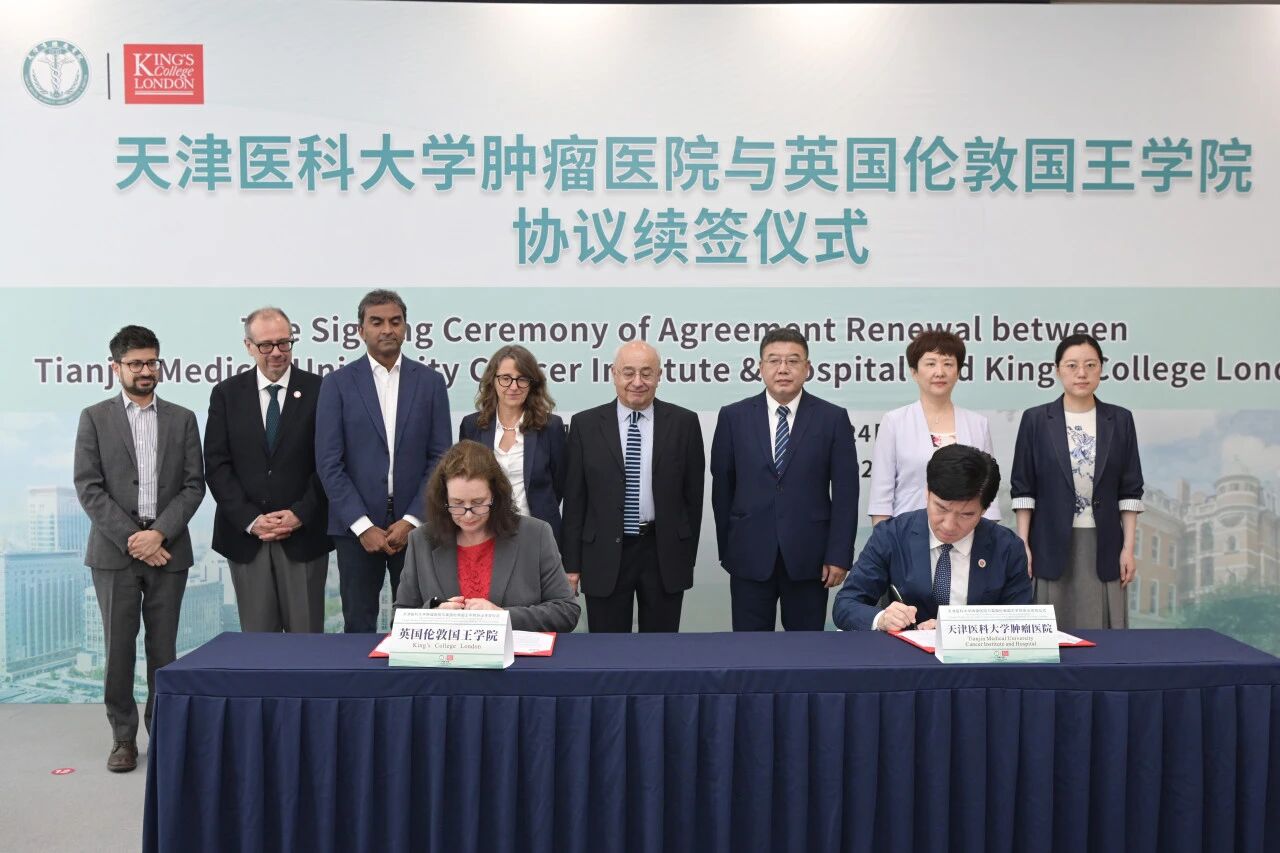
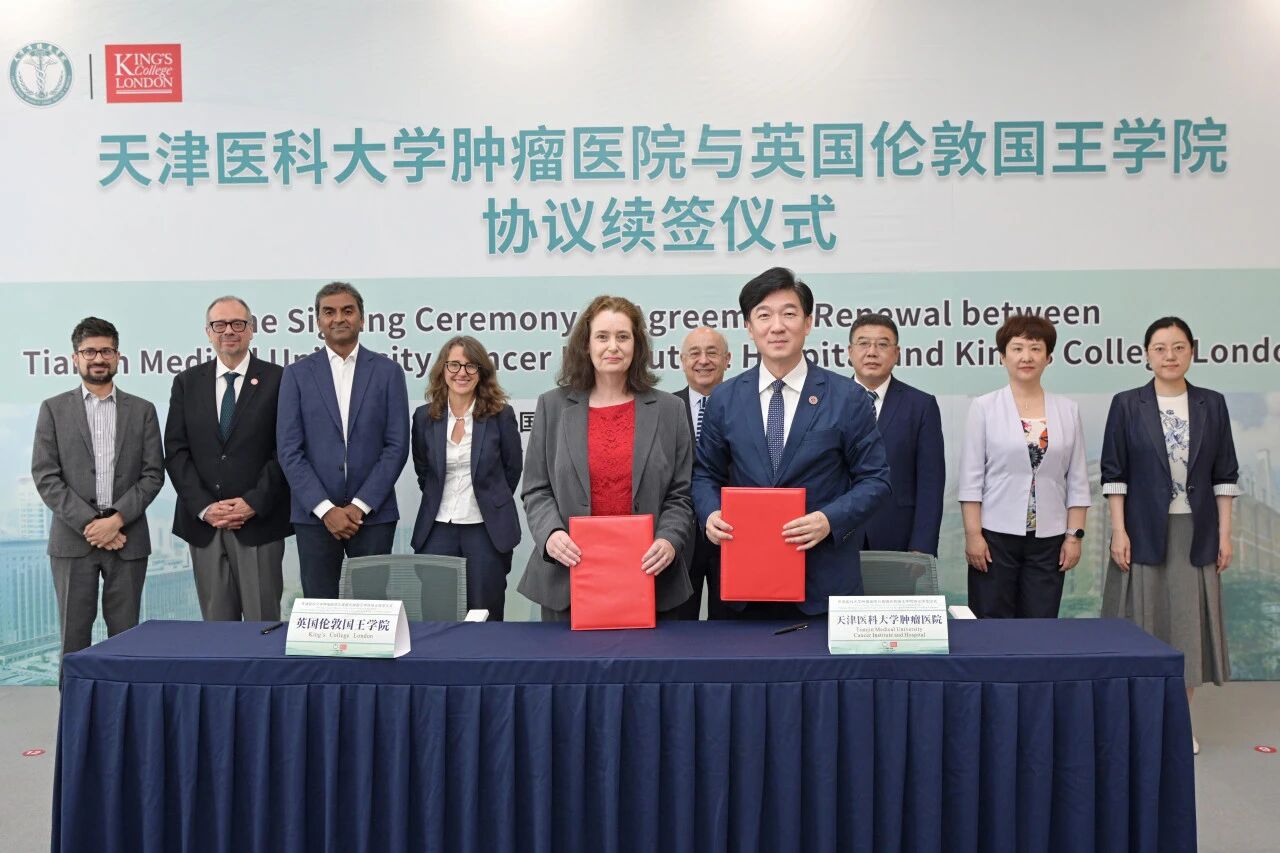
The agreement renewal was officially signed, ushering in a new phase of collaboration and exchange between the two institutions.
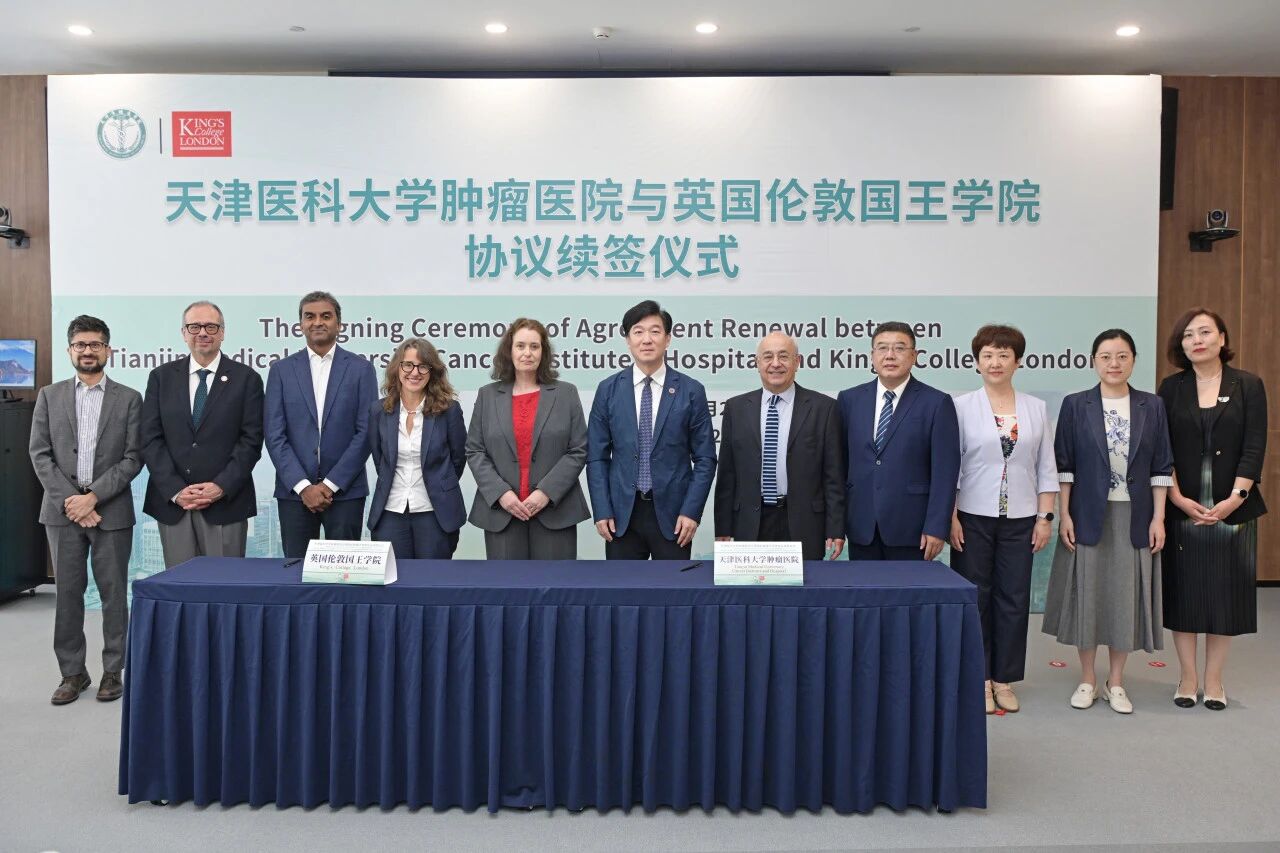
This agreement renewal represents an important milestone in deepening international cooperation in oncology for both institutions. Building on existing foundations, the two sides will leverage their complementary strengths to focus on talent training, education, and research collaboration. By integrating academic achievements and clinical expertise in oncology, the two institutions will jointly advance the frontiers of oncological medicine and contribute to the high‑quality development of healthcare.